University and graduates
The gap between the lecture hall and the job market is wide. These courses are built to close it, on real hardware, with engineers who work in the field.
Embedded Systems diploma
The full path: from your first circuit to a printed board you designed, then AI running on hardware.
- 100+ hours
- Online and in person
- Weekly tasks
- A graduation project
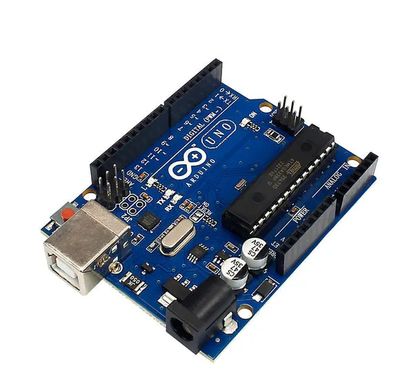
1 Arduino and electronics fundamentals
- Resistors, capacitors, LEDs and motors in a circuit
- Programming Arduino in C and C++
- Digital and analog I/O, and PWM
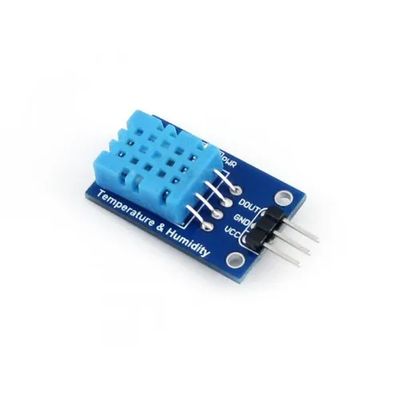
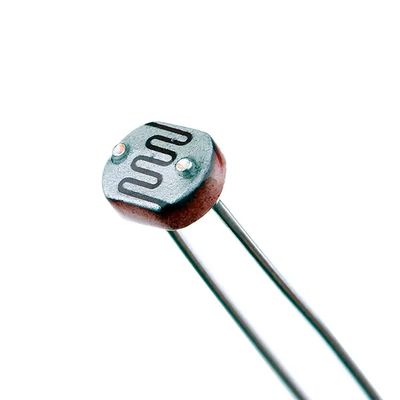
- Temperature, humidity, motion and light sensors
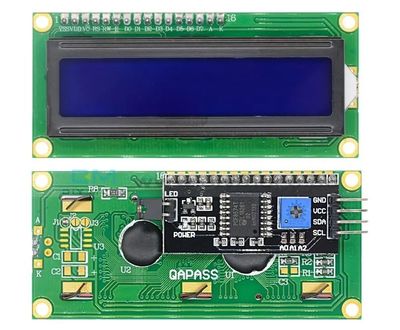
- Displays, and the I2C, SPI and UART protocols
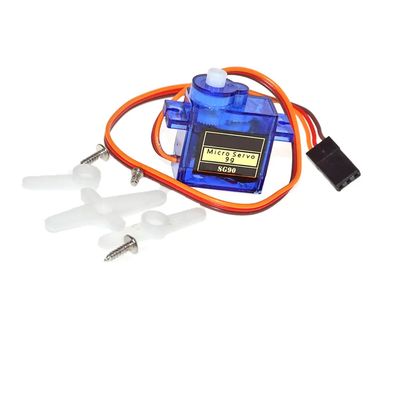
- Servos, motors, Bluetooth and Wi-Fi
2 PCB design and fabrication
- Board types: single, double and multilayer
- Materials, and SMD versus through-hole parts
- EasyEDA, Proteus and Altium
- Schematic, placement and routing
- Design rules, clearances and trace widths
- Gerber files for manufacturing
- Three projects, the last a double-layer board you solder and bring up
3 AI with Arduino, and computer vision
- Machine learning and neural network basics
- Running AI on embedded hardware
- Python fundamentals
- OpenCV and image processing
- Recognising objects and driving the Arduino from the result
4 Mentoring and getting job-ready
- Weekly and monthly assessments
- Homework after every lecture, with a solution video
- One-to-one follow-up through the week
- Writing a CV and a LinkedIn profile
- Interview preparation, and support after the diploma
IoT and smart systems
Connect a sensor to the internet, send its readings, and control the device from your phone, from anywhere.
- ESP32 and ESP8266
- MQTT, HTTP and WebSockets
- Online dashboards
- 10+ projects
1 Wi-Fi boards and firmware
- ESP32 and ESP8266 architecture
- Wi-Fi station and access point modes
- Power saving and deep sleep
- Interrupts and hardware timers
2 Protocols and telemetry
- HTTP and REST APIs
- The MQTT protocol
- WebSockets for live data
- JSON and ArduinoJson
3 Cloud and dashboards
- Blynk, Adafruit IO and ThingSpeak
- Node-RED
- Email and message alerts
- Logging to an SD card and to databases
4 Security and OTA updates
- TLS on the ESP32
- Token authentication
- Over-the-air firmware updates
- A complete capstone project
Robotics and autonomous systems
Design, assemble and program a robot, until it drives itself, avoids obstacles and keeps its balance.
- Arduino and STM32
- PID control
- 8+ robots
- You build every one
1 Microcontroller internals and C for hardware
- ATmega328P memory and registers
- Direct register control
- Pointers and structures in C
- Interrupts and timers
2 Motors, motion and power
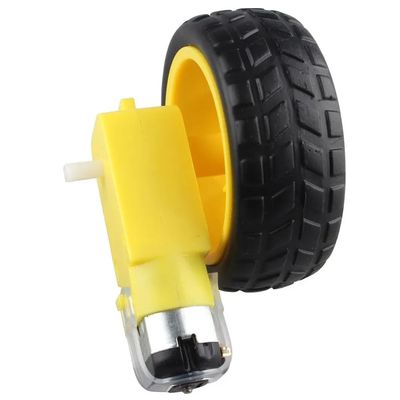
- DC motors with encoders, steppers and servos
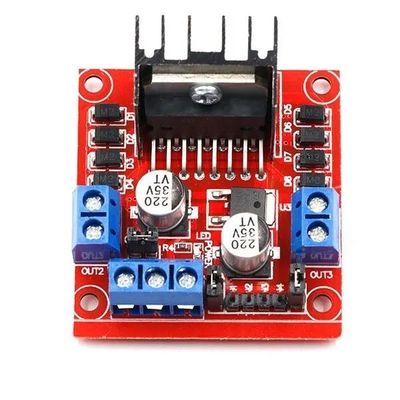
- L298N, L293D and A4988 drivers
- Separating logic and motor power
- Steering maths for a two-wheel robot
3 Sensors and communication
- I2C, SPI and UART
- Displays from 7-segment to colour TFT
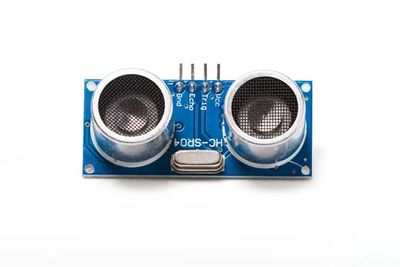
- Ultrasonic and infrared arrays
- The MPU6050 and sensor fusion
4 PID control and autonomy
- Open versus closed loop
- Writing a PID controller from scratch, and tuning it
- Maze solving and wall following
- A Bluetooth dashboard for live data
Why here
- Lab work, not lectures
- Taught by engineers who build systems for clients
- You work on real ESP32s, robots and sensors
- Full support for your graduation project
- Our best trainees get hired by us or recommended to companies